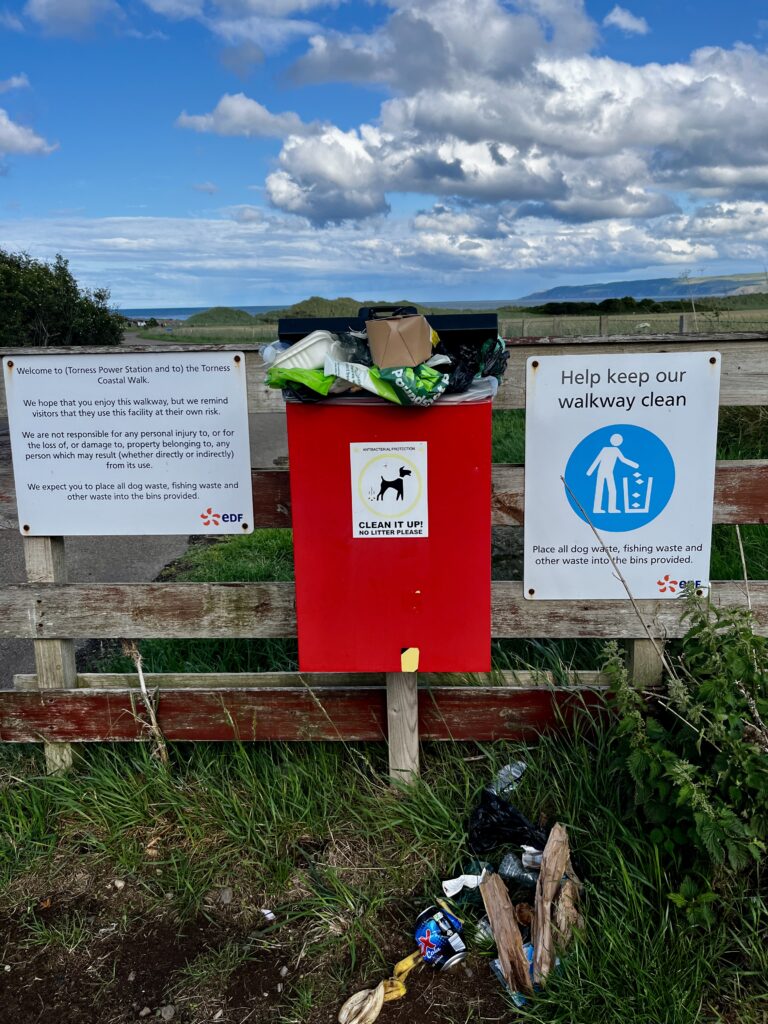
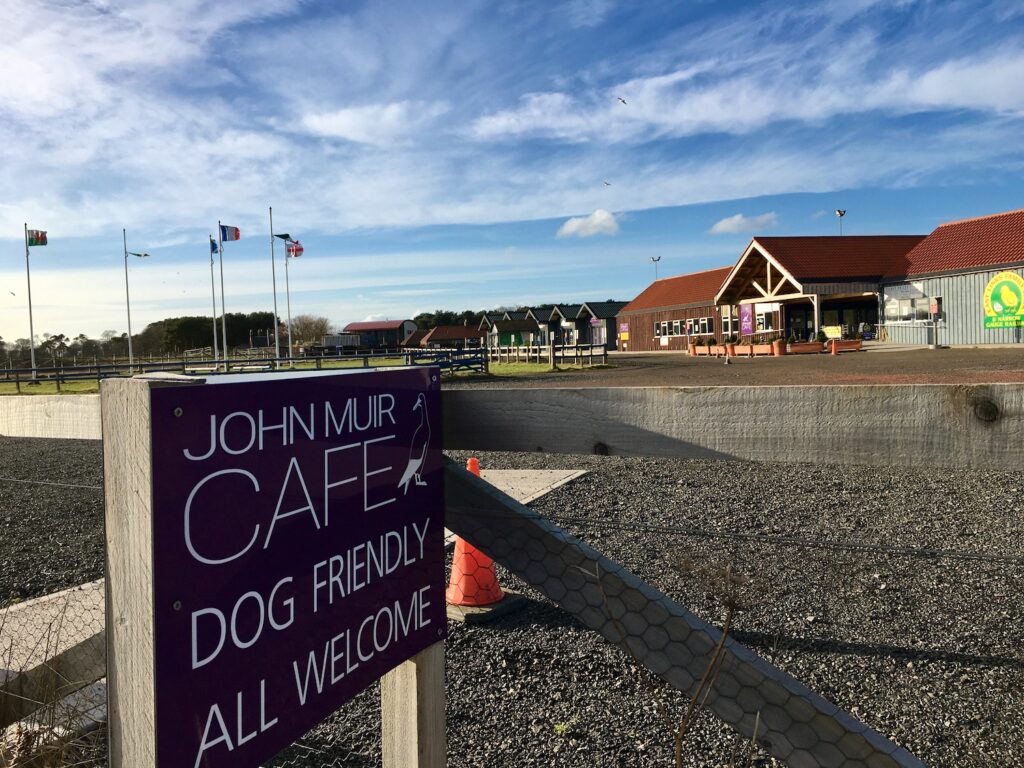
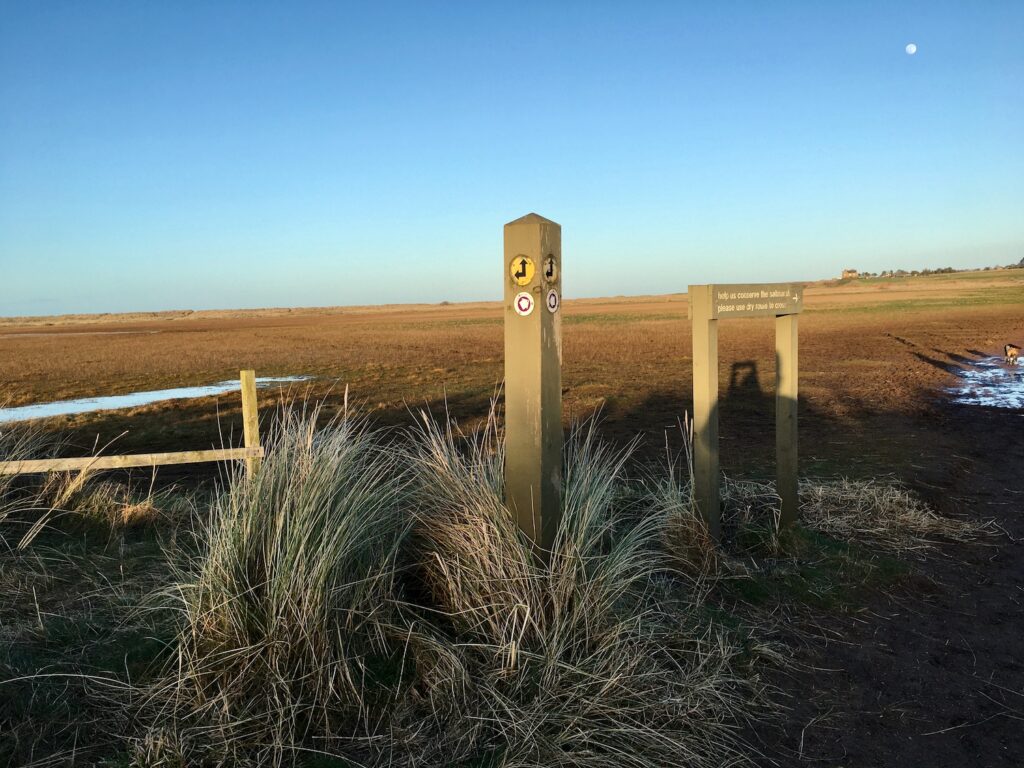
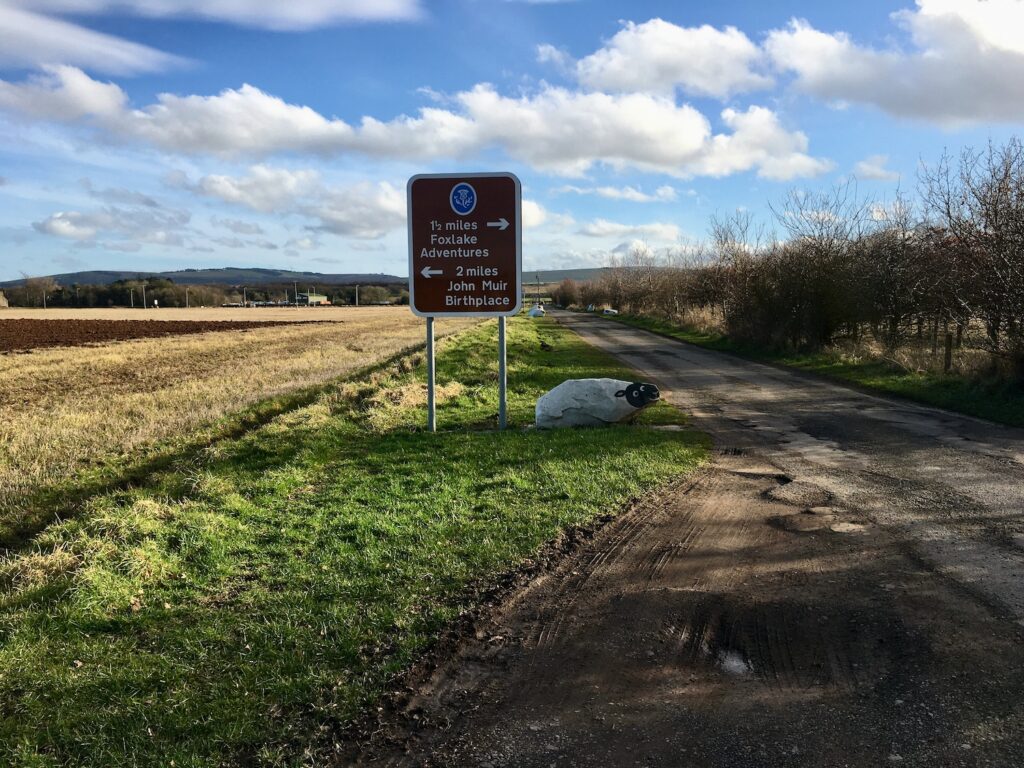
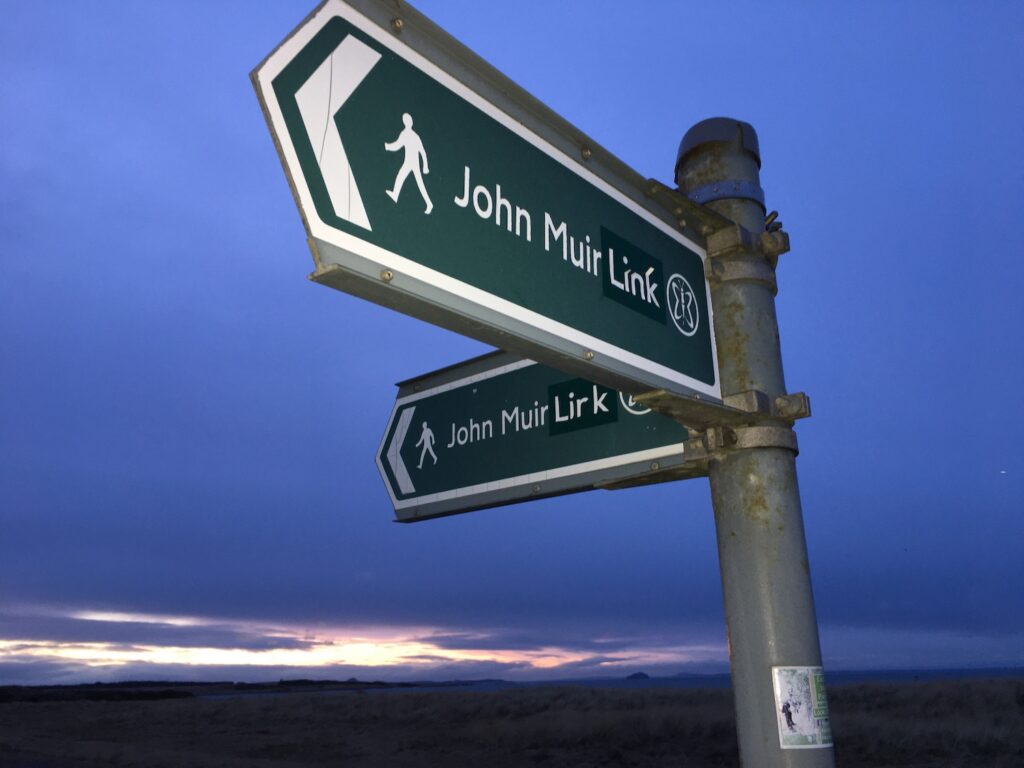
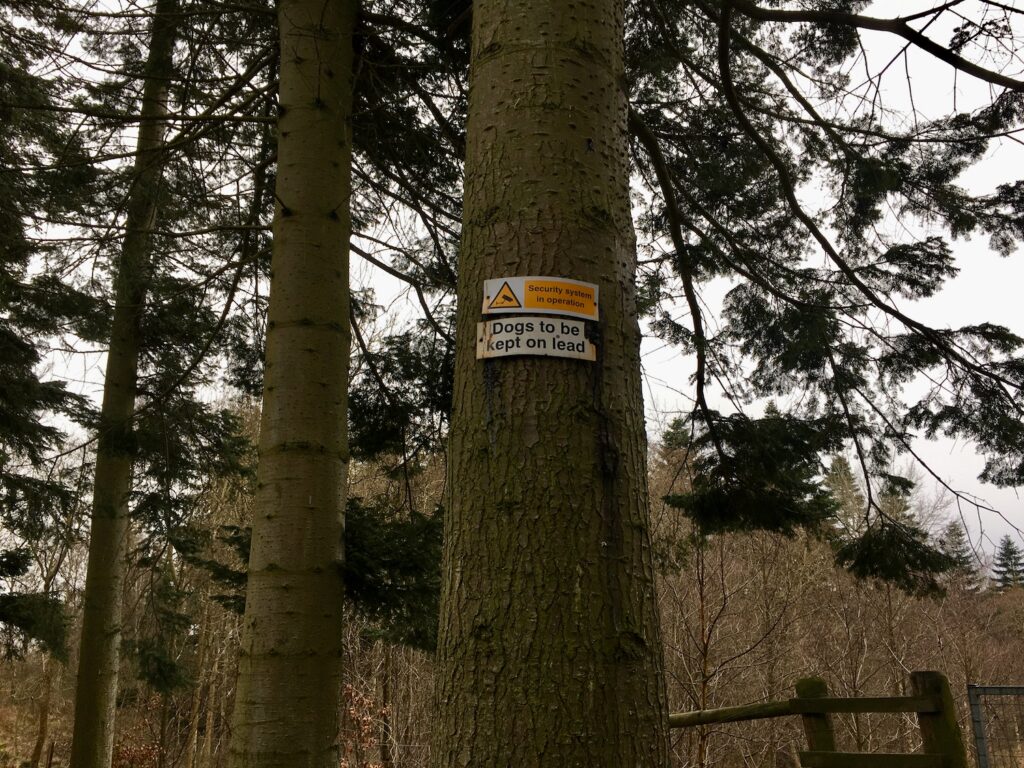
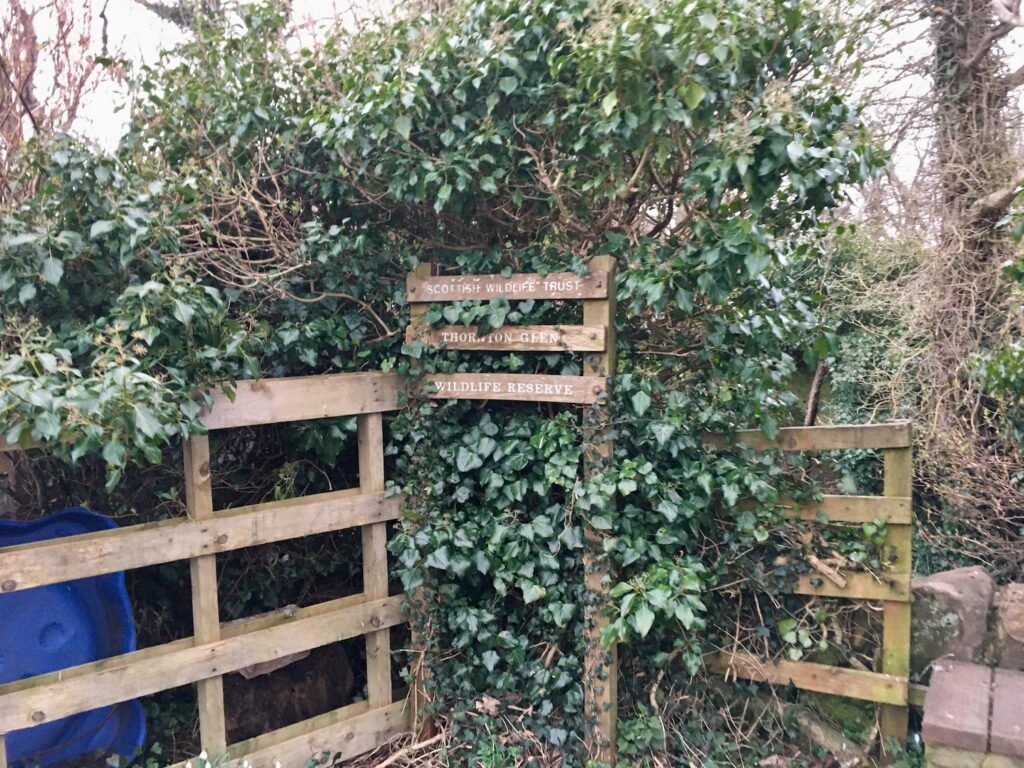
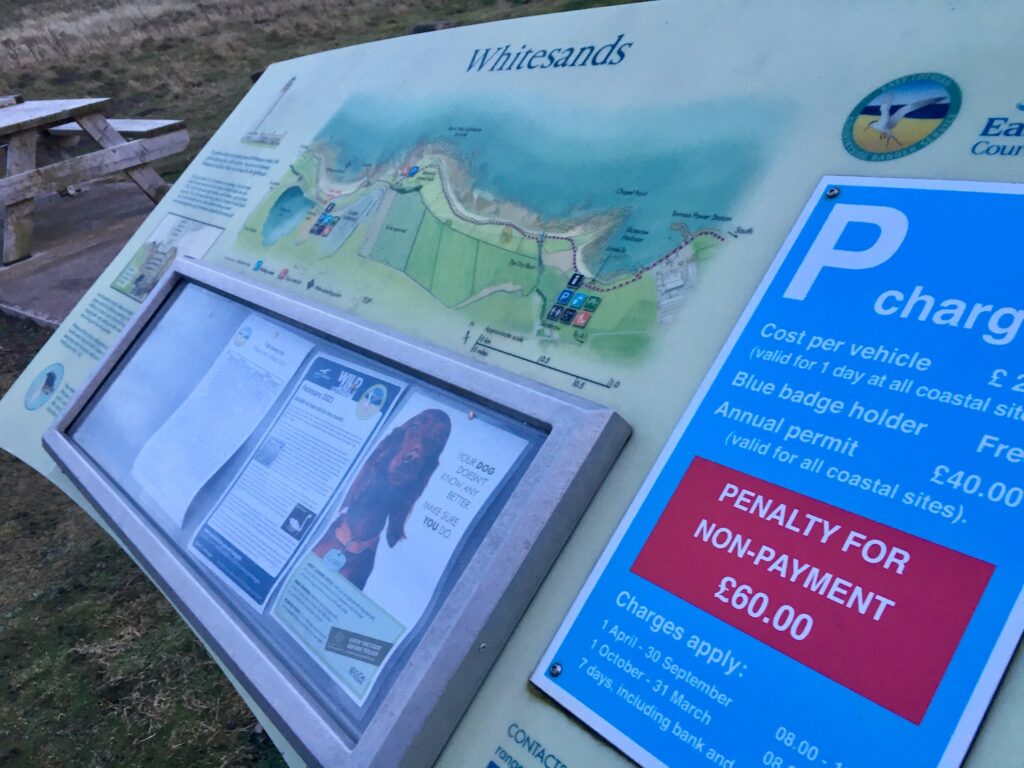
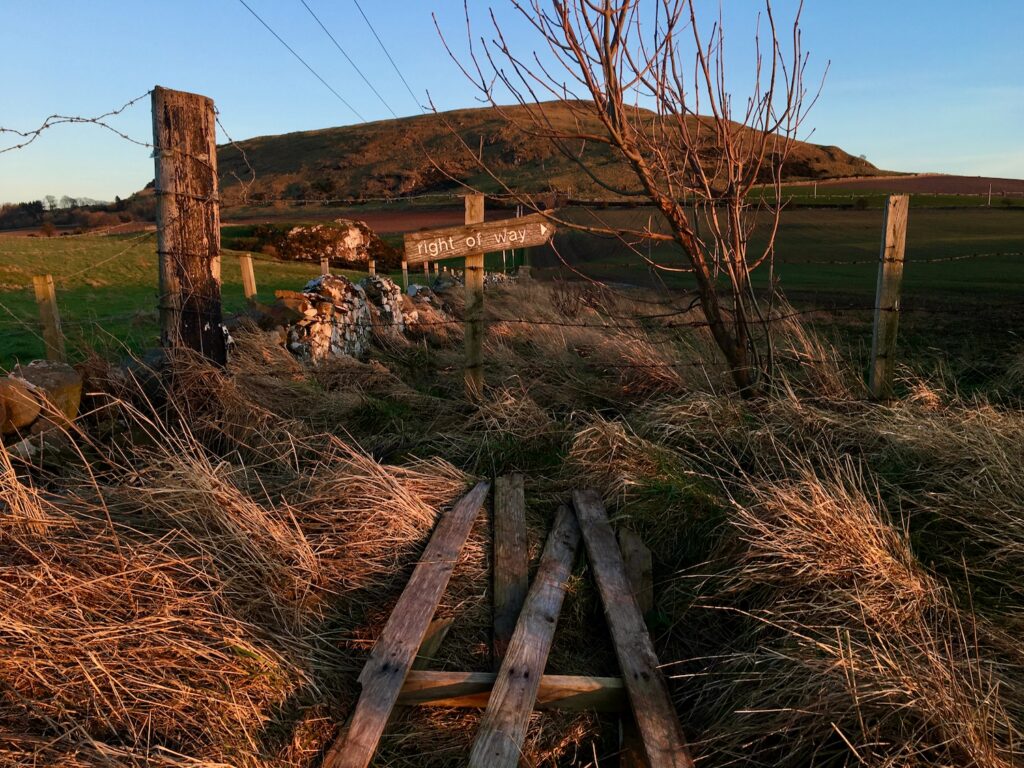
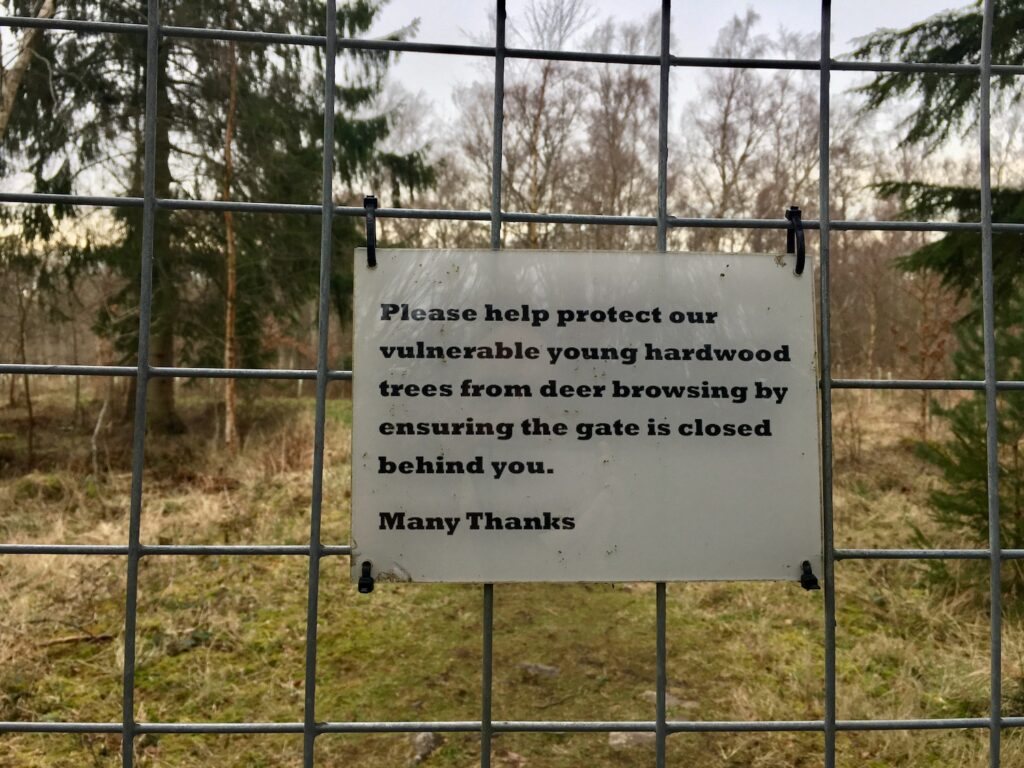
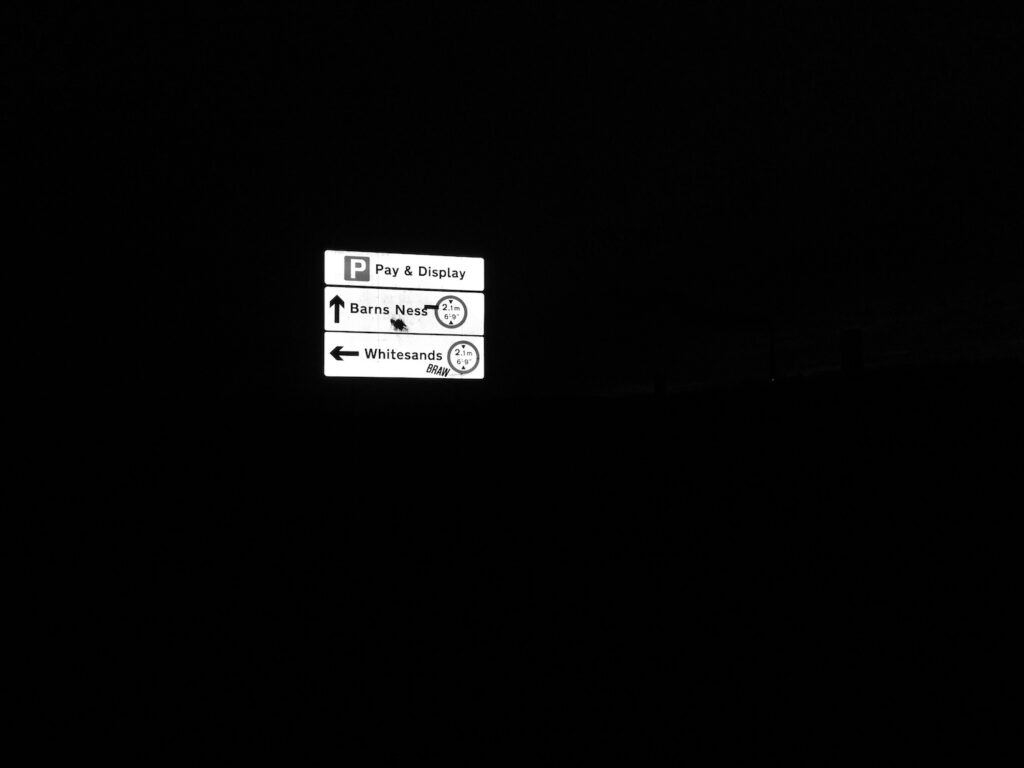
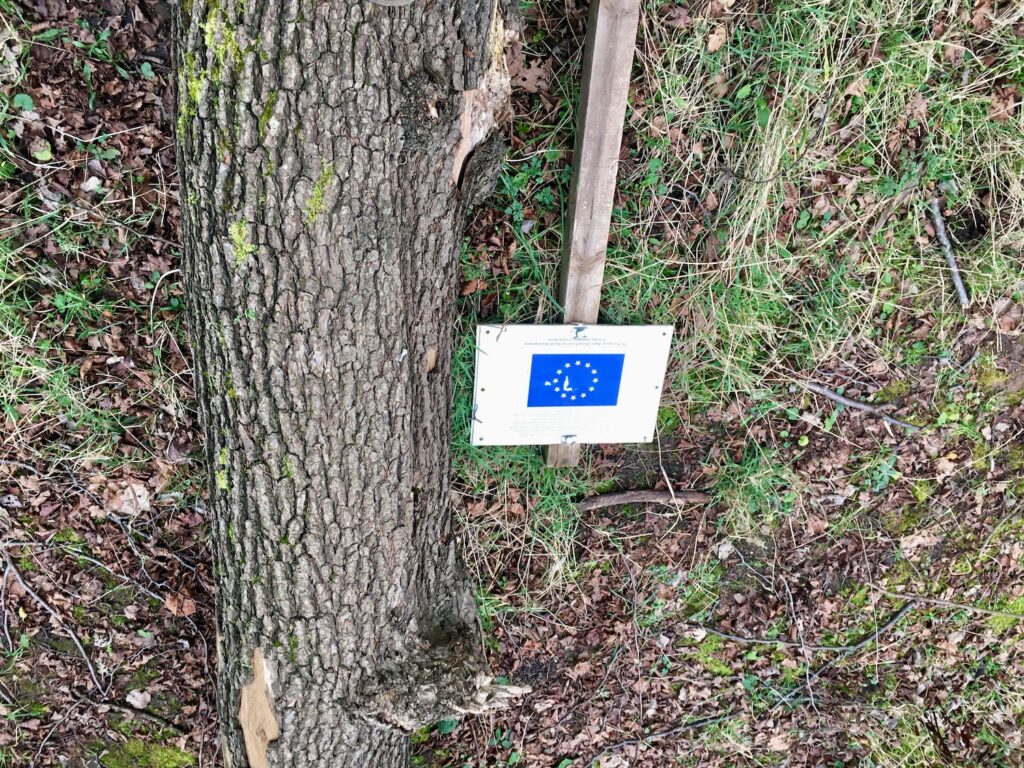
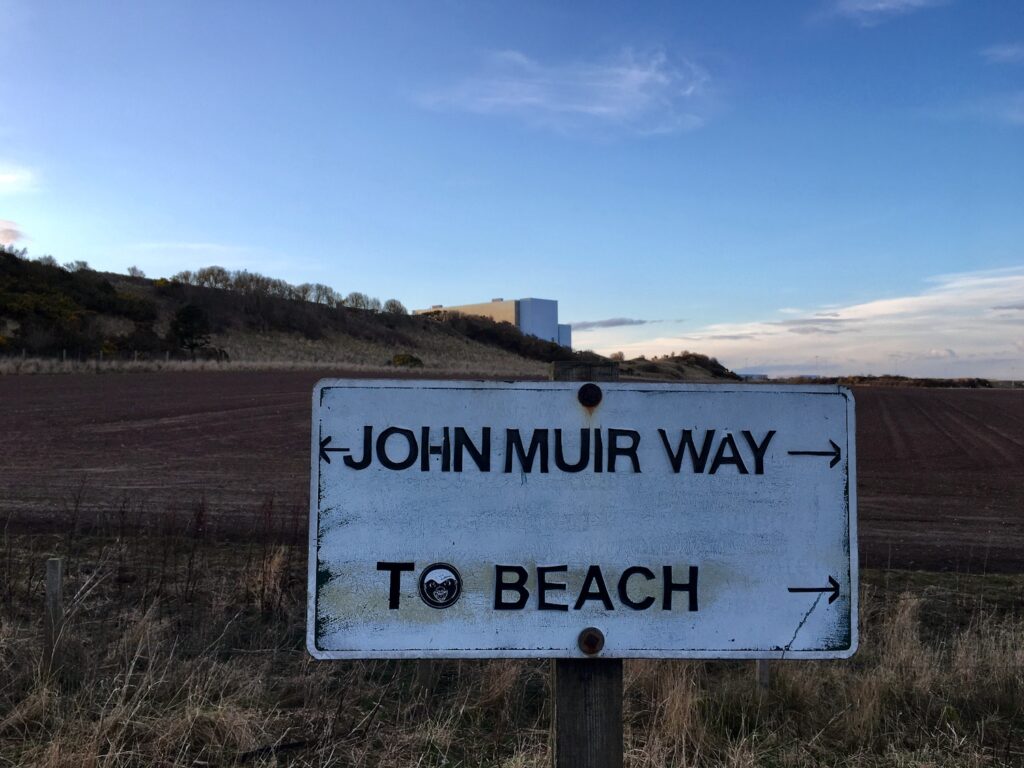
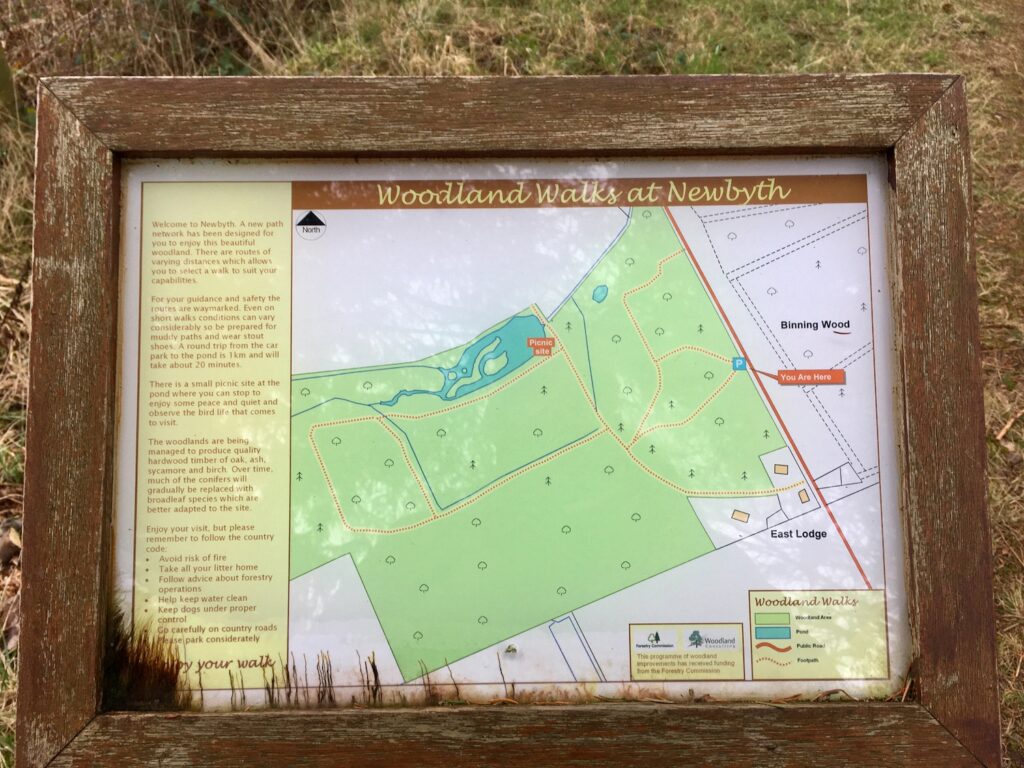
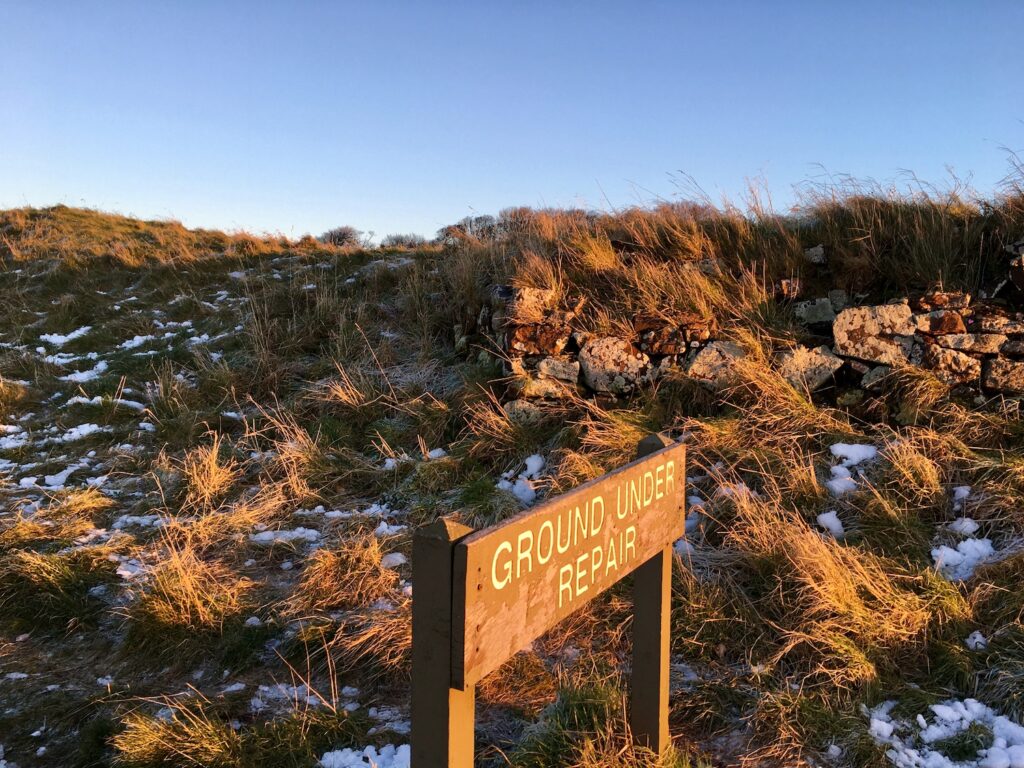
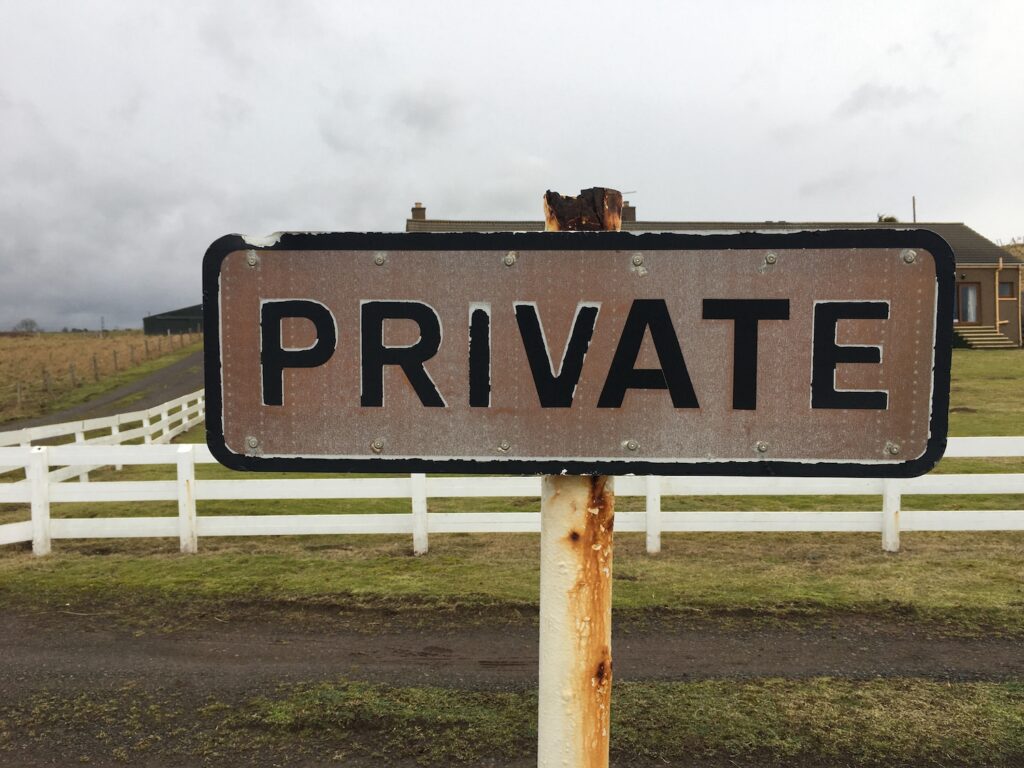
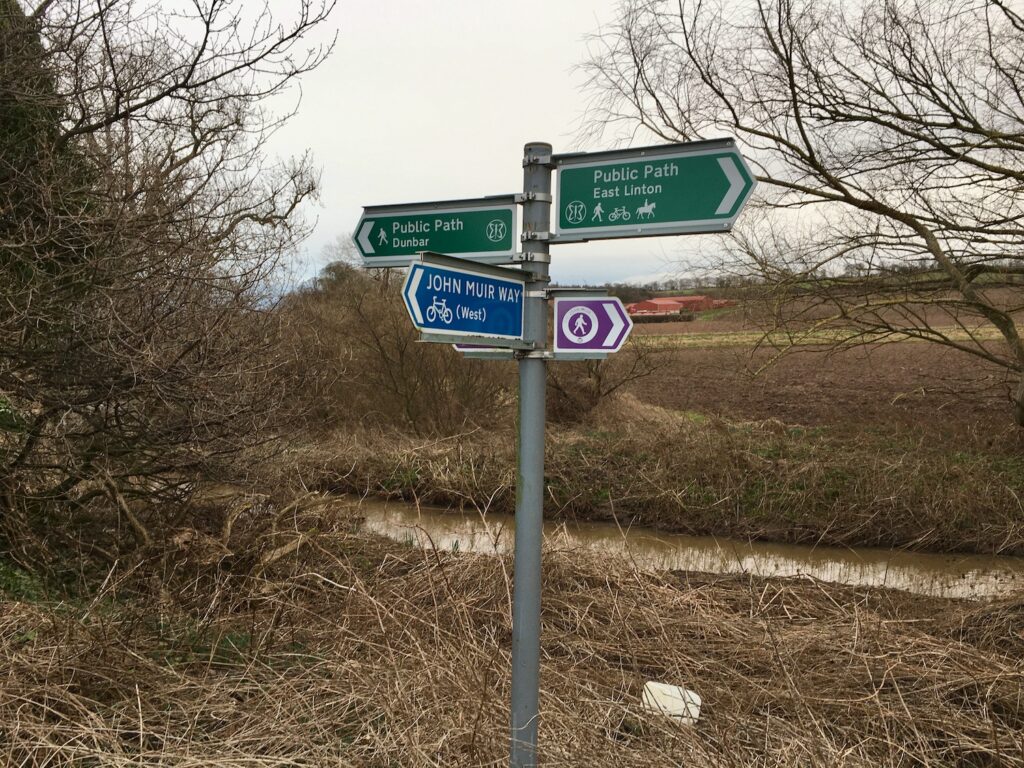
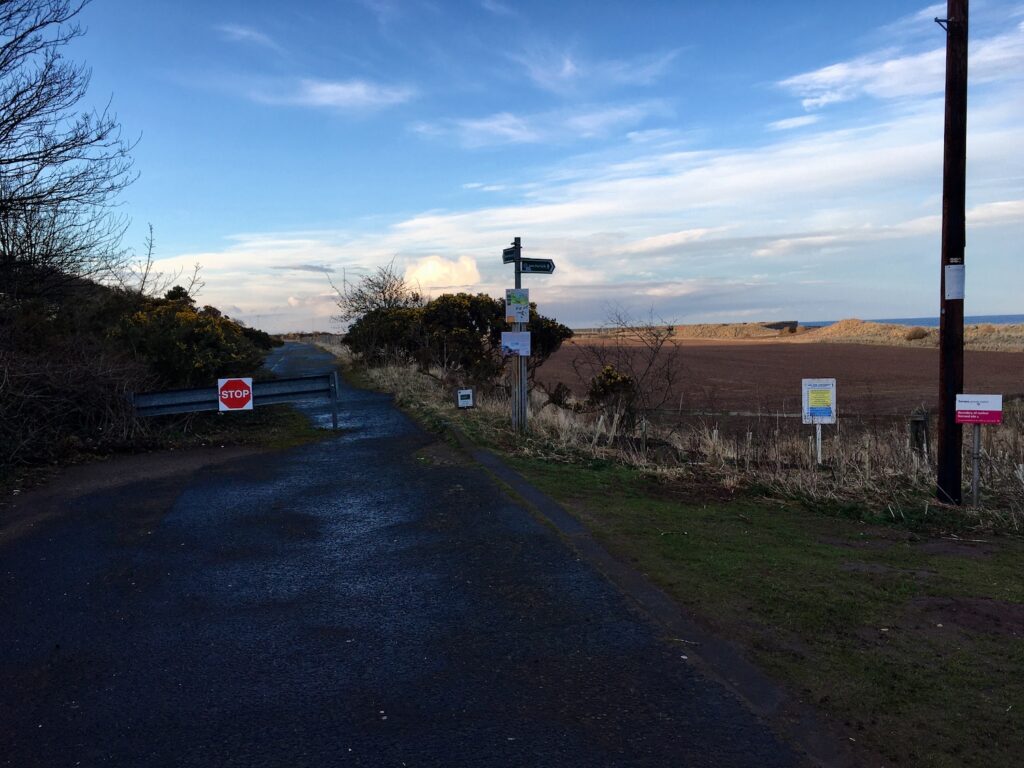
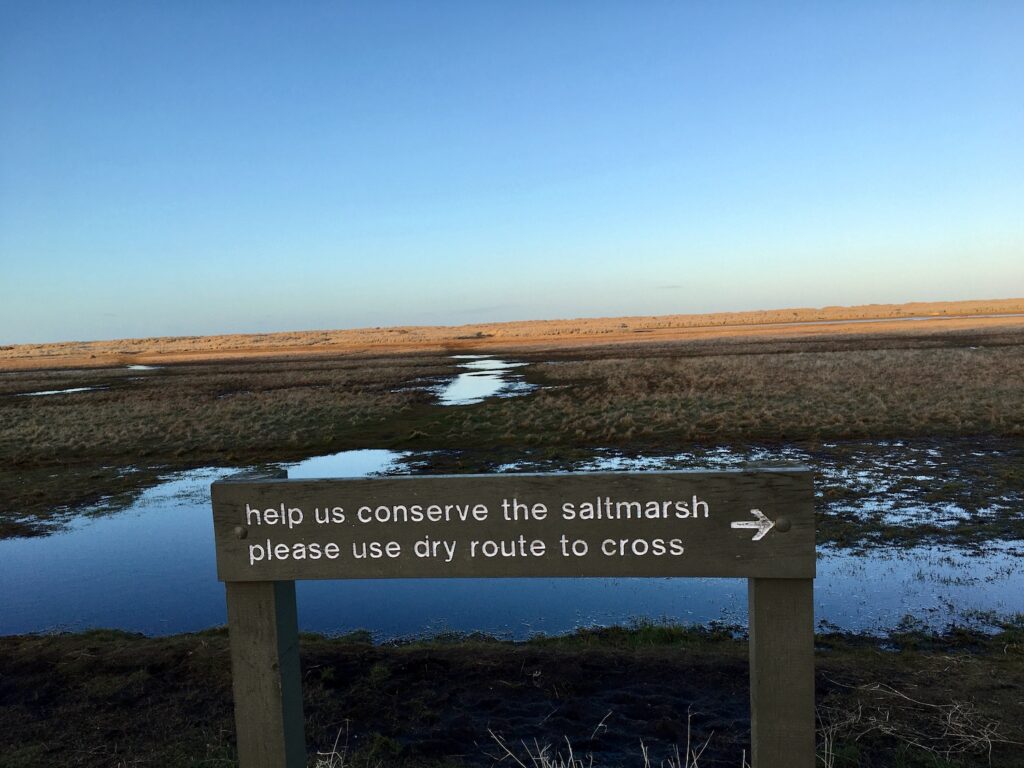
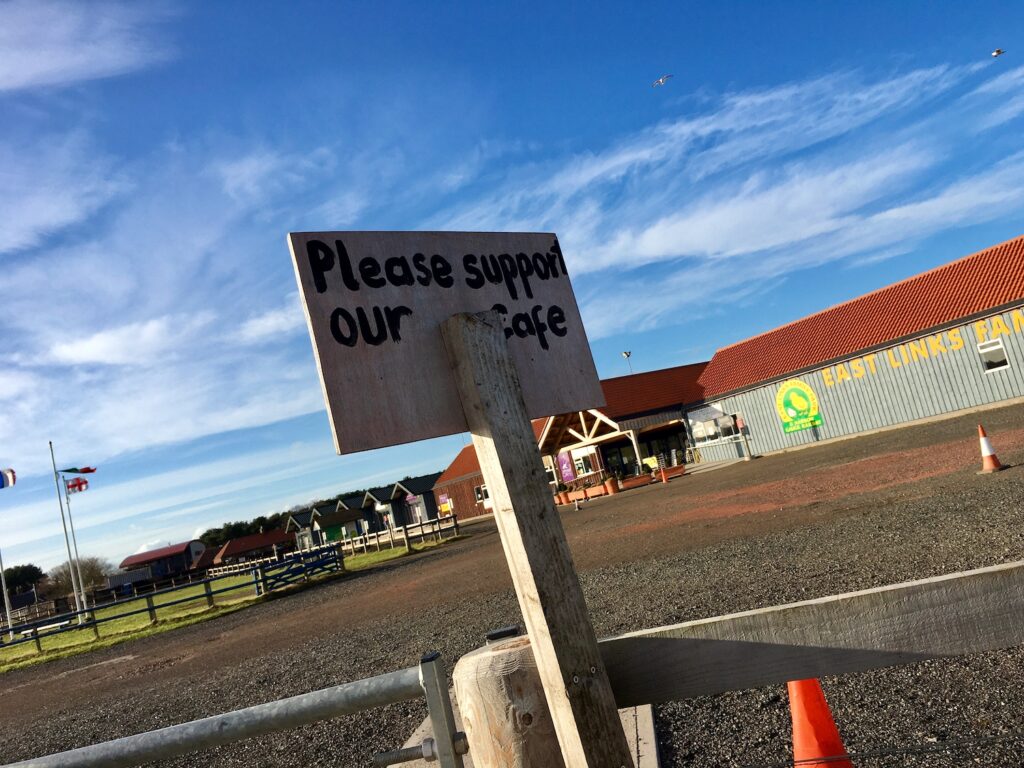
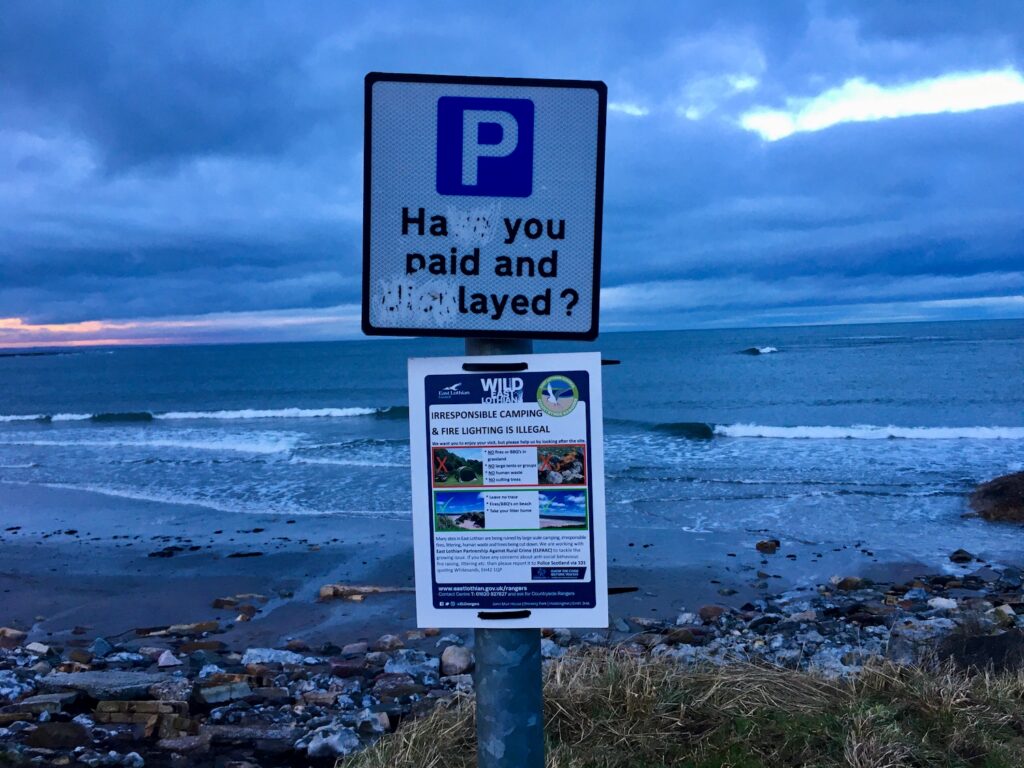
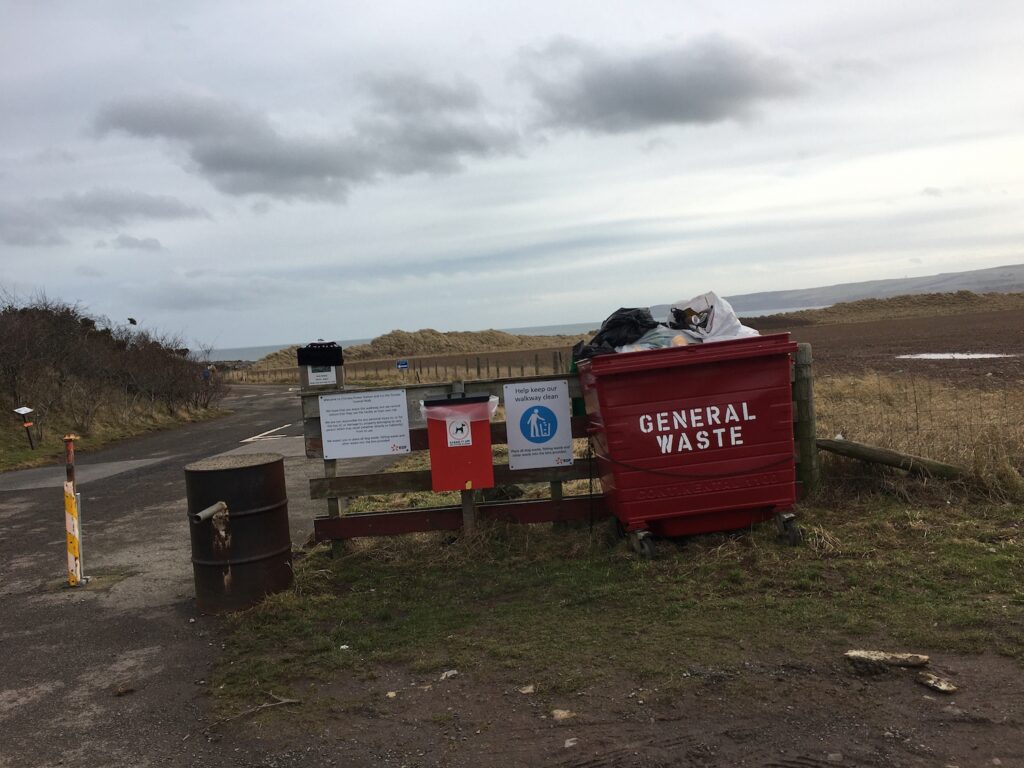
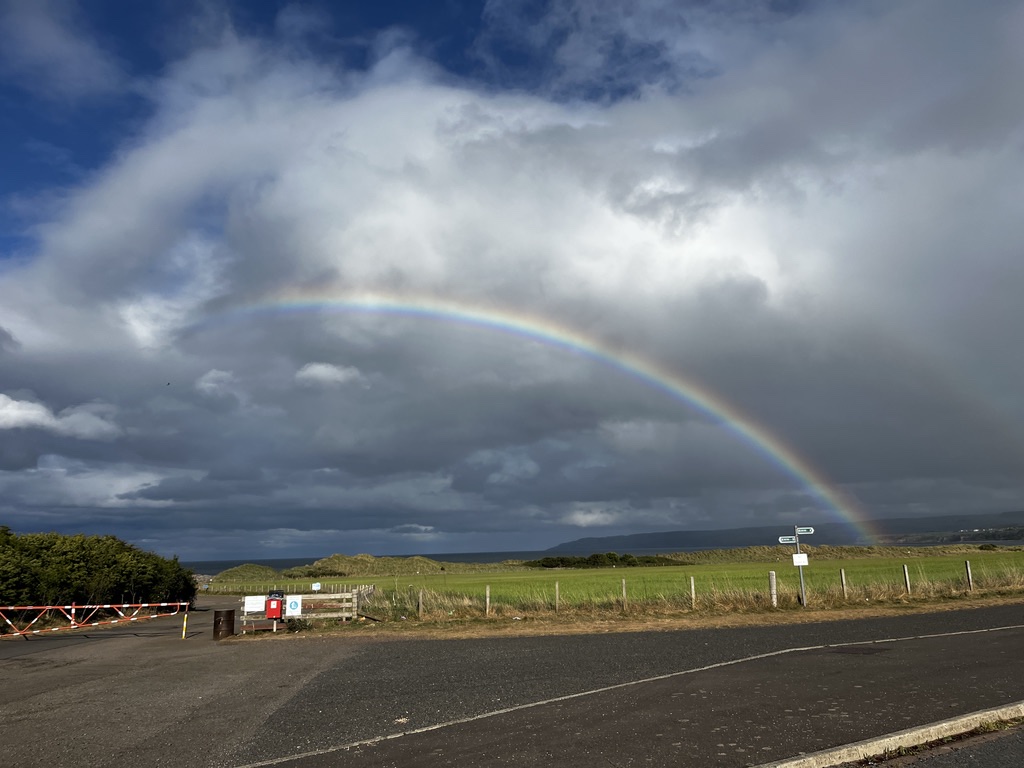
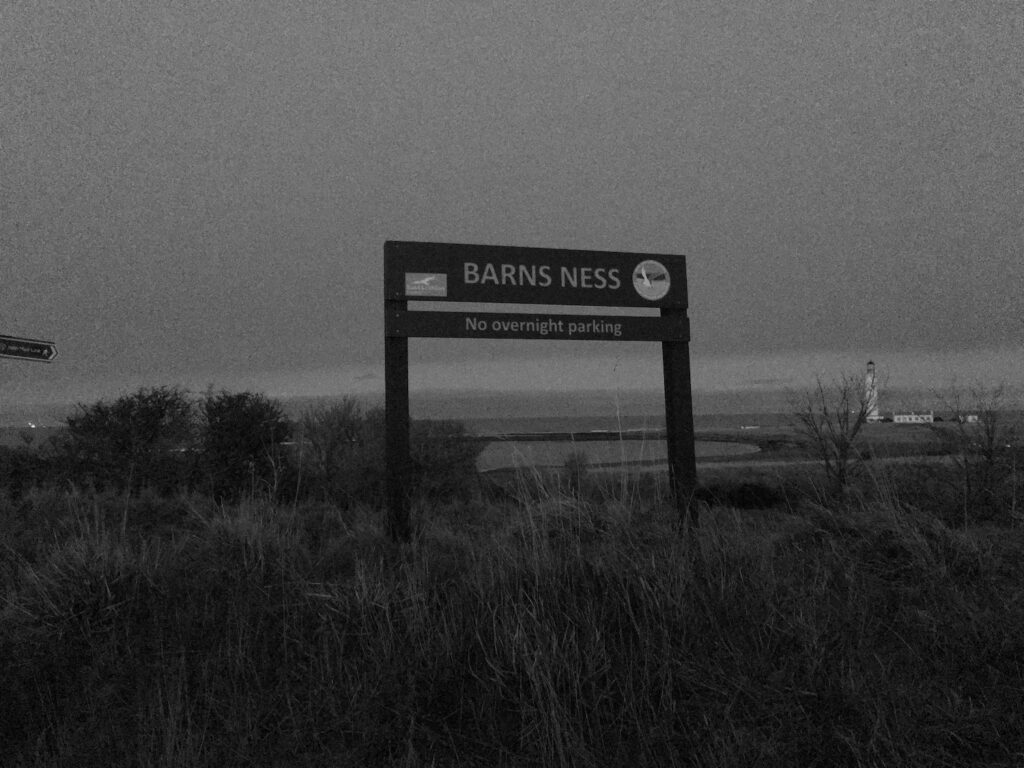
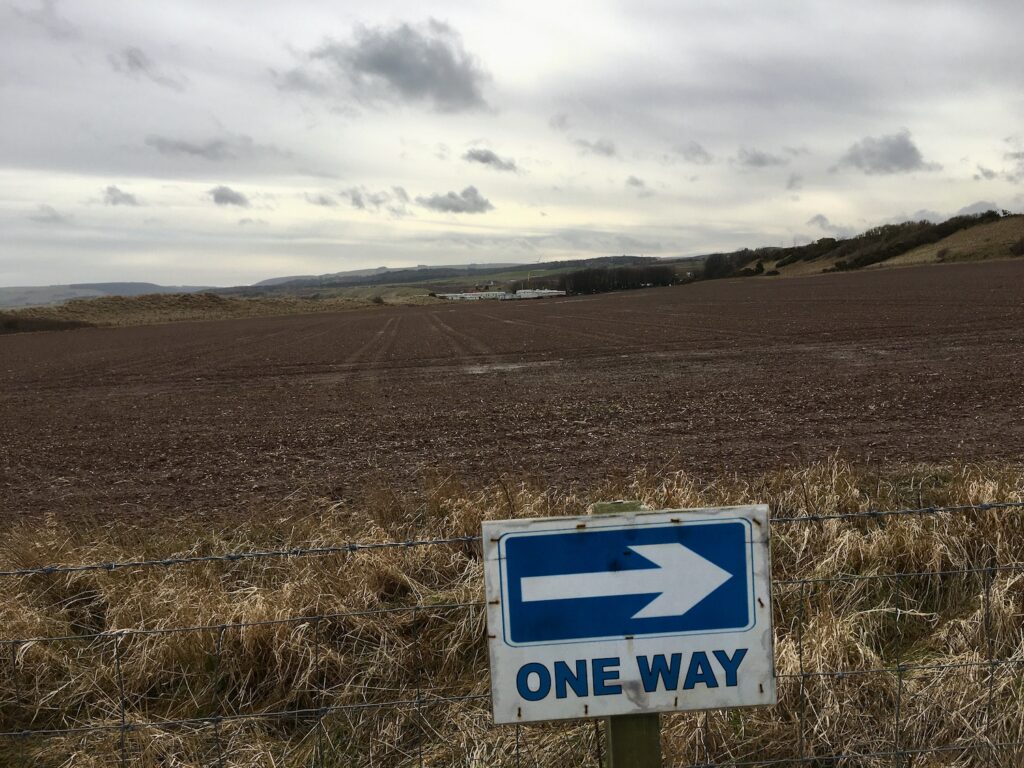
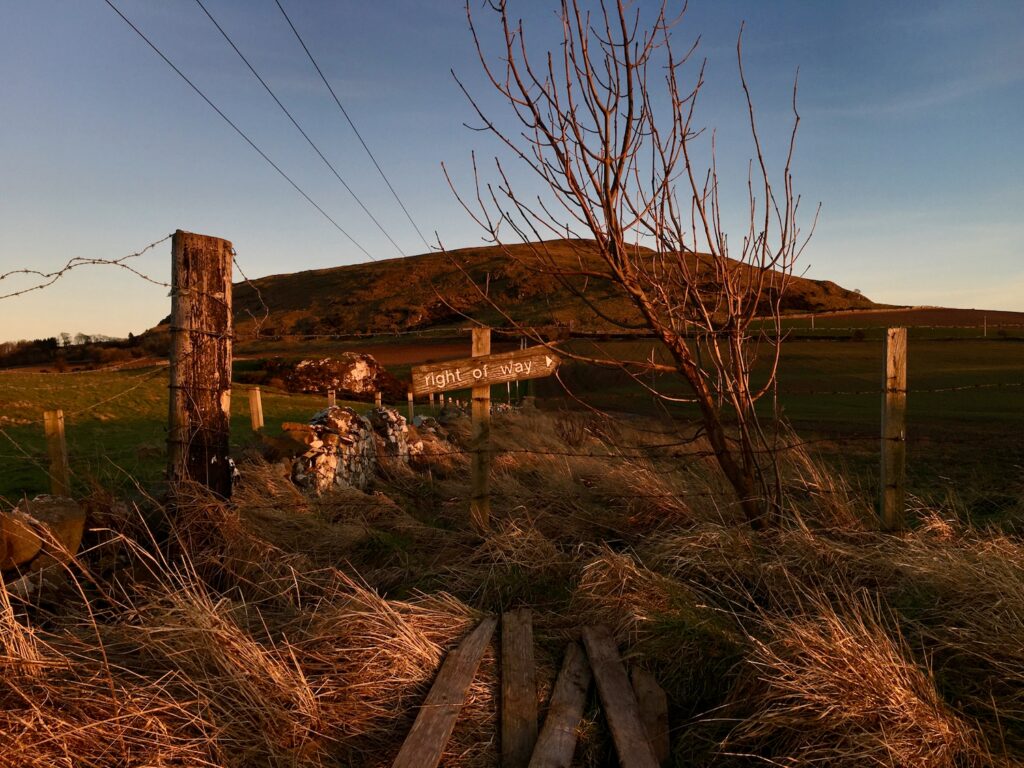
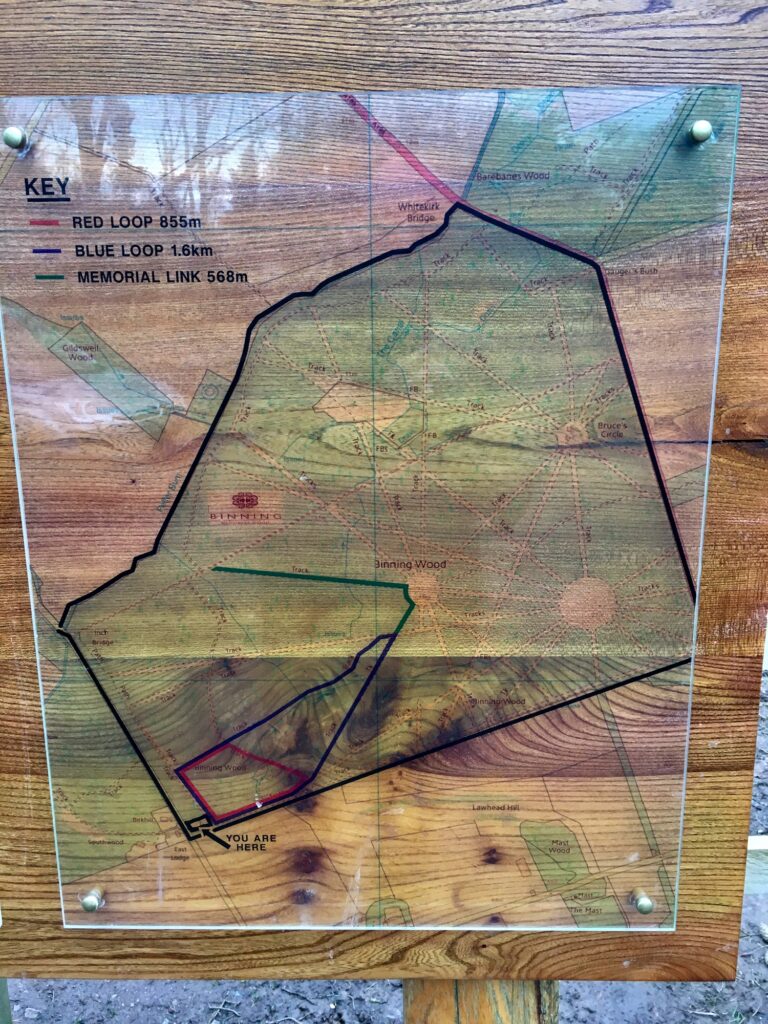
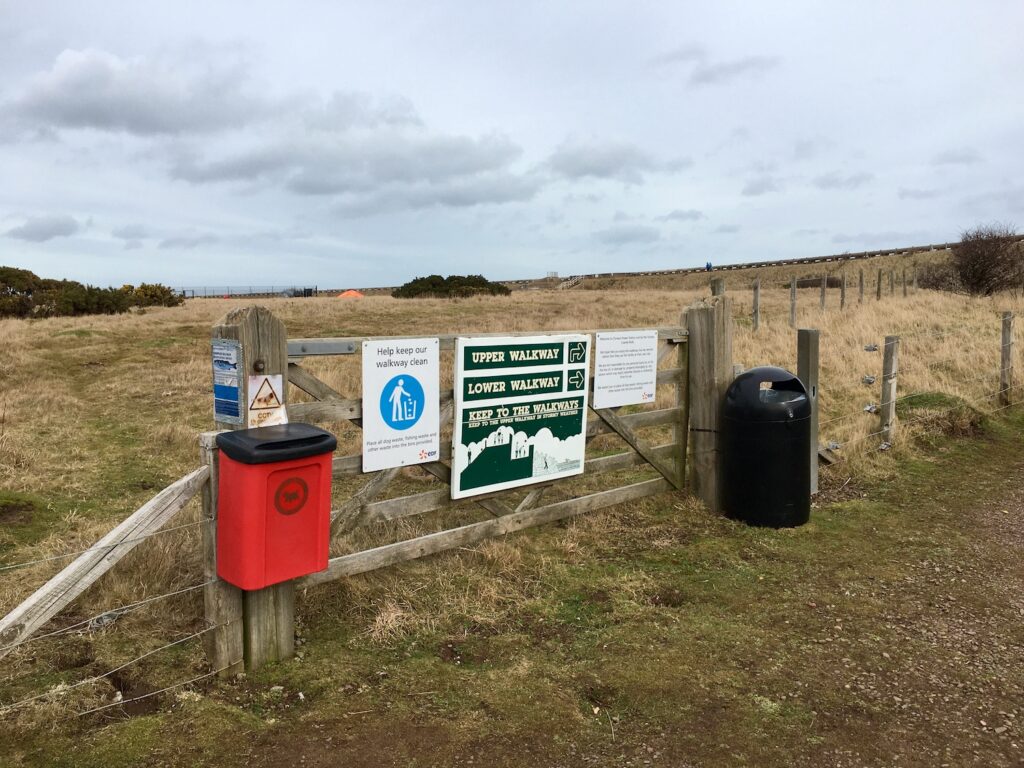
Scotland’s countryside—and too many historic sites—now read like bureaucratic noticeboards: layer on layer of “don’t do this” and “warning that,” each with a different logo, tone and font. It’s clutter masquerading as care. The Scottish Outdoor Access Code already sets the ground rules, yet every estate, council, NGO and attraction adds its own mini-code until the pathhead becomes a collage. People tune it out. The ones who read don’t need it; the ones you’re trying to reach walk straight past.
This isn’t education; it’s cognitive overload with a legal aftertaste. Signs fight the landscape and each other, shrinking attention for the few messages that matter (fires, livestock, coastal risk). More boards signal risk, so more boards appear, and the spiral continues—while bins, paths and wayfinding do the real work quietly in the background. If you need a paragraph to say “keep dogs close near ground-nesting birds,” you’ve already lost.
The fix is dull and effective: fewer, better, consistent. One clear ask per location, in plain language, aligned to the Outdoor Access Code. Use a shared icon set and the five-second rule: if a walker can’t get it in five seconds, cut it. Put the heavy text at the car park, then let the path breathe. Give every sign an owner and a review date; remove the old before adding the new. Spend more on design, bins and gates, less on lecterns. Treat people like adults and let the place, not the poster, do the talking.